Fruit Doesn’t Lie (Why Heaven Won’t Rearrange Itself for Our Comfort)
As we wrap up another Christmas season celebrating the birth of Jesus, it feels like an awfully good time for a reset. A real one—not the kind we post about, but the kind that requires looking in the mirror. An opportunity to revisit that well-worn idea of treating others the way we want to be treated… and then actually imagine what that would feel like if the situation were flipped.
Because it’s easy to talk compassion when it’s theoretical. It’s much harder when it requires empathy.
So pause with me for a second. Consider how it would feel if it were your family being separated. Your children going to bed unsure of what tomorrow holds. Your home feeling less like a refuge and more like a question mark. Suddenly the conversation gets quieter when it’s personal.
That thought pulls me all the way back to my childhood—where I learned early that people can live just minutes apart, attend the same schools, worship the same God, and still draw invisible lines so clear you don’t need a map to see them.
I grew up in a very small, predominantly white town. The white families lived what we called “downtown,” where everything looked shinier and better kept. There were only about twelve black families, and we had our own little community up on “the hill.”
We all attended the same school, but as Black children we tended to stick with what was familiar. Rarely did we see white townspeople up on the hill unless it was the mailman. Black families went downtown for work, groceries, or to see the only white doctor in town—basically for whatever was needed. Town was close enough that we could walk, so our parents often sent us down the hill to run errands.
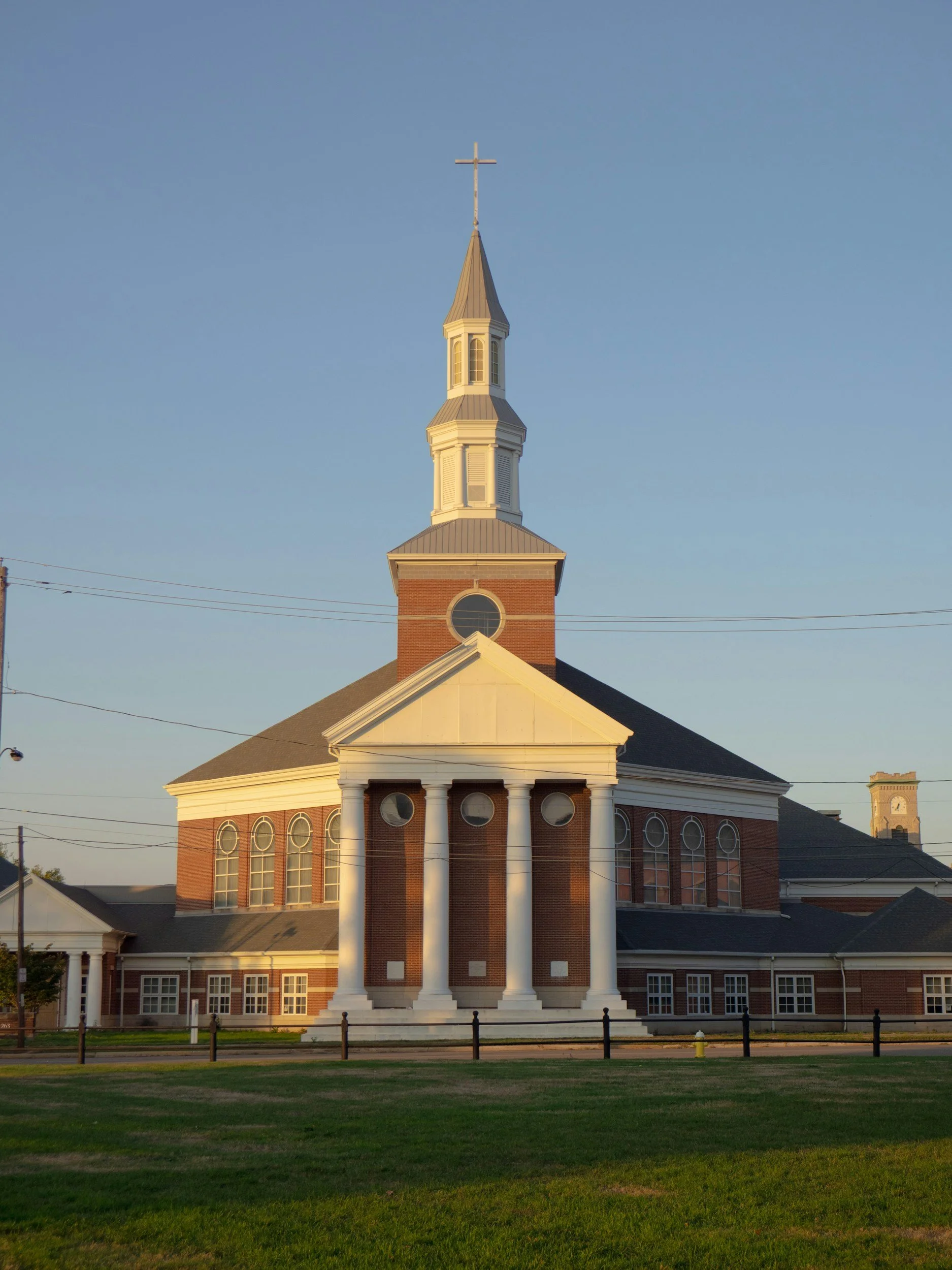
And right there on Main Street stood the large red brick Methodist church.
As a young girl, I often wondered what it looked like on the inside. Then one year, for reasons I still don’t fully know, that congregation decided to invite the black children from off the hill to attend their annual Vacation Bible School.
And guess what happened?
We interacted. We played. We made friends. White and Black families began talking and quickly realized neither was the enemy. Both loved their families. Both wanted the best for their children. Both were simply cultures learning how to coexist in the same small town.
Growing up that way exposes you to how people are reared—how thinking gets passed down, sometimes intentionally and sometimes without anyone noticing. Somewhere between snack time and adulthood, empathy can get misplaced. Like a sock lost in the dryer, never to return.
Feelings disappear. Compassion becomes optional. And suddenly some people believe it’s their right to hurt others—especially those who don’t look like them, think like them, or come from where they do.
What truly gives me pause is how confidently many of these same people call themselves Christians.
Jesus said we would recognize His followers by the fruit they bear. Not by the volume of their opinions. Not by the polish of their platforms. Not by how often they say “God bless.”
Fruit.
Love. Kindness. Mercy. Humility.
(Yes—even self-control. That one seems to wander off regularly.)
And just when we’ve finished sorting who’s “in” and who’s “out,” Scripture gently reminds us we are not on the admissions committee.
I often pause there and think… how does God know who is His?
Perhaps because they love like Him.
Think like Him.
Act like Him.
Not perfectly—but sincerely. Not loudly—but consistently.
God recognizes His own not by labels or declarations, but by resemblance. By hearts that bend toward compassion. By hands that reach instead of recoil. By lives that echo His character even when no one is watching.
Because likeness has always been the giveaway.
And love has always been the family trait.
Forgive me if I shudder at the thought of some future moment when people stand before Jesus—résumé in hand, confidence fully intact—only to hear Him say, “I don’t know you.”
That is not the greeting anyone wants.
Eternity isn’t symbolic. It isn’t optional. And it certainly isn’t something we can outtalk or outspend. Yet many live as though this world will go on forever, like the credits will never roll.
But the curtain is closing—slowly, perhaps—but much faster than we care to admit.
How do I know? Because people are getting meaner. Selfishness is having a moment. Bullying is now rebranded as “being honest.” And basic kindness feels like a rare personality trait instead of the bare minimum. Holding the door open shouldn’t feel like a spiritual gift—and yet… here we are.
We keep convincing ourselves that presidents and politicians will fix what’s broken, as if laws alone can heal a heart problem. Scripture reminds us there is wickedness in high places. Power has always struggled with humility. This isn’t new—it’s just louder.
Some believe there will be no reckoning. That money, influence, intimidation, and spin will work forever. That repeating a lie long enough somehow turns it into truth.
That strategy may work in this world for a while.
But it won’t work with God.
There are no loopholes in truth.
No PR teams in Heaven.
No “do you know who I am?” passes at the gates.
Salvation isn’t a rewards program. Grace can’t be negotiated. Eternity doesn’t run on achievements.
You can change policies and still miss the Person.
You can fix nations and still avoid repentance.
You can look wildly successful on earth and still arrive empty-handed in eternity.
Knowing Jesus was never about being impressive.
It was always about being transformed.
And still—despite everything—I believe.
I believe there are parents teaching their children to love people who don’t look like them. Parents raising compassionate humans who understand the world would be painfully boring if we all looked the same.
There’s a reason God made a rainbow. Every color belongs. Every shade matters. Together they form something beautiful—not competing, not canceling each other out, but standing together in quiet brilliance.
That’s what once made our nation stand out. And it’s a glimpse of Heaven itself: every nation, every tribe, every tongue—not erased, but redeemed.
And for those who think Heaven will be segregated instead of gloriously integrated—you may want to reread the guest list.
This is where Mama wisdom clears her throat.
I say you can tell a lot about a person by how they treat people who are different from them. Different skin. Different accent. Different story.
“If love has conditions,” I can tell you, “it isn’t love.”
You have to understood fruit long before it becomes a sermon topic. Fruit shows up in grocery store lines, at dinner tables, and in how you speak about people who aren’t around to defend themselves.
“If you can admire a garden, you ought to be able to admire God’s people.”
And Heaven? Let me tell you something I am very clear about-
“If you’re uncomfortable around folks who don’t look like you now,” I’m just gonna put it out there, “eternity may stretch you a bit.”
Mama Wisdom Reflection:
“Fruit doesn’t lie, baby—and Heaven won’t rearrange itself to make you comfortable.” 🎤
So yes—the world feels heavy. Fruitless trees are loud right now.
But compassion is still being planted.
Love is still being taught at kitchen tables.
Grace is still stretching across the sky.
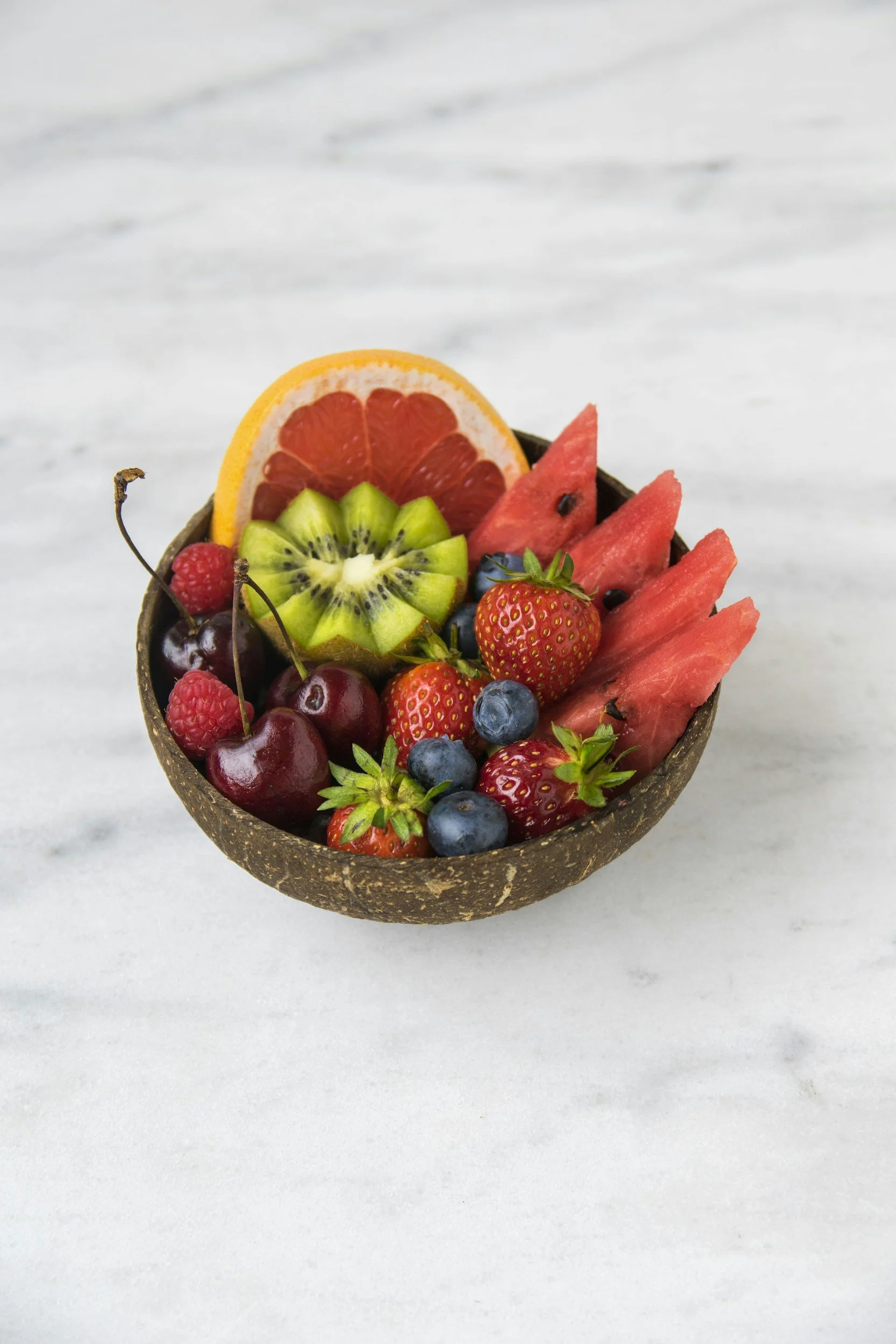
And fruit—real fruit, not plastic display fruit—always tells the truth.
Scripture Reflection:
“Nevertheless, the solid foundation of God stands, having this seal: ‘The Lord knows those who are His.’” — 2 Timothy 2:19
“After this I looked, and there before me was a great multitude… from every nation, tribe, people and language.” — Revelation 7:9
