Some of Y’all Are Still Choking on Bones
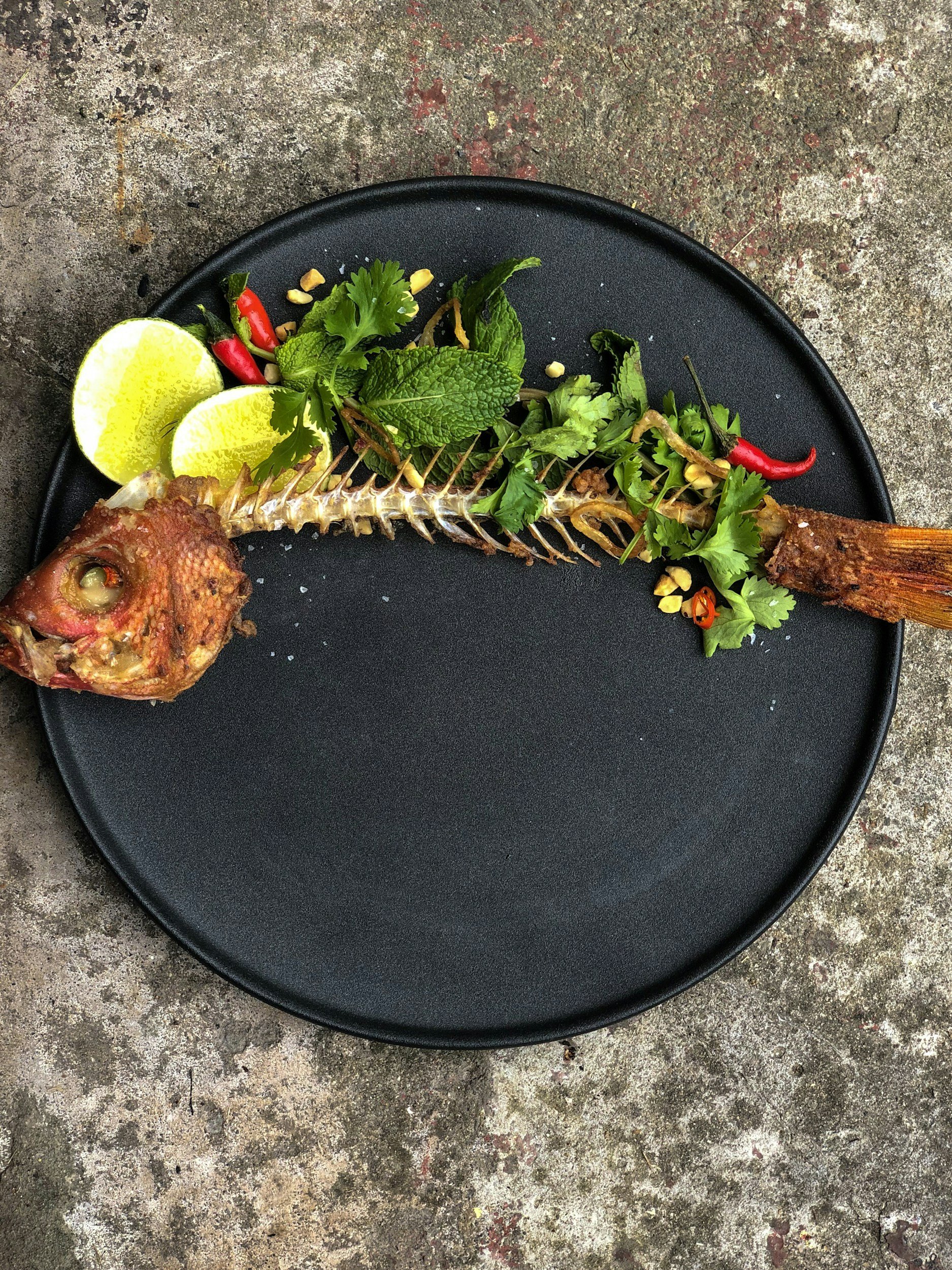
Growing up in a small town in Arkansas, some of my neighbors loved fishing the lakes and riverbanks. When they visited my parents, they often came bearing edible gifts—crappie, perch, even buffalo fish. My mama would bread and fry those little fish into a nice midday meal.
Those meals are some of my sweetest memories. Not just because the fish was good—but because it always came with a warning from my daddy.
Inevitably, one of us kids would get poked or end up with a tiny bone stuck in our throat. Without missing a beat, Daddy would say,
“Y’all need to learn how to eat fish.”
We’d look at him, confused, waiting on the lesson.
“Eat the meat,” he’d say. “Spit out the bones.”
Now, if you knew my daddy, you knew nothing he said was ever just about what he was talking about. Fish was never really fish. It was friends. Family. Folks. Jobs. Life.
And someone might be wondering—how did we get those bones unstuck when they caught in our throats? Daddy had an answer for that too. He’d calmly say,
“Eat some bread.”
And sure enough, that soft bread would help push the bone on down. Simple. Practical. Effective. Just like most real wisdom.
That little phrase followed me long after I left home. Over time, I realized Daddy was teaching us discernment—how to take what nourishes you from an experience and let go of what might choke you if you hold on too long. And when something does get stuck? Sometimes you don’t panic—you apply something soft, steady, and grounding to help you move forward.
I’ve used that wisdom more times than I can count. It’s one of the main reasons I don’t hold grudges. I glean what I can, learn the lesson, and release the rest. I refuse to chew on bones that don’t feed me.
I’ve watched more than my share of people waste good years of their lives being miserable and bitter over a perceived disservice, betrayal, or broken relationship. They stay focused on what they think they were owed, instead of pausing long enough to discern what they gained—or what they were actually spared from enduring.
Sometimes the loss wasn’t punishment.
Sometimes it was protection.
And sometimes… it was mercy dressed up like disappointment.
I used to teach preschoolers, and one thing I know for sure is that children are little sponges. They soak up everything—good habits, bad habits, and emotional cues we think they aren’t paying attention to. Trust me. They are.
Every morning at drop-off, not just in my classroom but throughout the building, you could hear the chorus of cries as parents left their children in our care. One day it dawned on me: these babies needed to learn how to be good fish eaters early in life.
So I told them I had a BIG JOB for them to do. Their eyes lit up—because children love responsibility almost as much as snacks.
I told them that when their parents dropped them off, they were in charge of giving one hug, one kiss, and one gentle push out the door.
Then we created a classroom mantra:
“Parents always come back.”
I’d ask them questions:
“Do you like your toys?”
“Do you like snacks?”
“Do you like books?”
When they said yes, I explained that parents had to go to work—and school helped make all those good things possible. Would crying make their parents come back faster? No. But being brave helped everybody.
We practiced this every single day. And before long, when a new student joined the class, the children didn’t panic—they coached them.
“It’s okay,” they’d say. “Parents always come back.”
Now that’ll preach.
Some of my coworkers used to ask how I got two- and three-year-olds to walk quietly down the hall to chapel in a straight line, hands neatly behind their backs. I told them the secret wasn’t control—it was purpose.
I explained to the children that the janitor had a big job, too: keeping our walls clean and white. And our job was to help him. So we added another mantra:
“Hands to self.”
And then we practiced.
And practiced.
And practiced some more.
Consistency taught them what chaos never could. Respect became a habit, not a punishment. Responsibility became something they carried with pride.
I believe one of the reasons we see so much insecurity and fractured identity today is because whole generations were never taught resilience. They were never taught how to discern what to hold onto—and what to let go of.
Simply put, some folks were never taught how to eat fish.
Even as adults, we still have to practice character, resilience, and respect. These things don’t magically appear with age. They’re learned, repeated, and chosen daily.
Scripture puts it this way:
“But solid food is for the mature, who by constant use have trained themselves to distinguish good from evil.”
Hebrews 5:14
That word trained matters. Training takes time. Repetition. Intention. And sometimes a little correction when you’re chewing on the wrong thing.
Mama wisdom Reflection:
Not everything that happened to you was meant to stay with you. Some things were lessons, not luggage.
Choose what feeds you.
Put the rest down.
- Mama Wisdom 🐟🍞
.
If you’d like to sit with this theme a little longer, the 5-day devotional “The Wisdom of Letting Go,” was written to help you practice this truth day by day.
