“Your Vocabulary Called—It Misses You.”
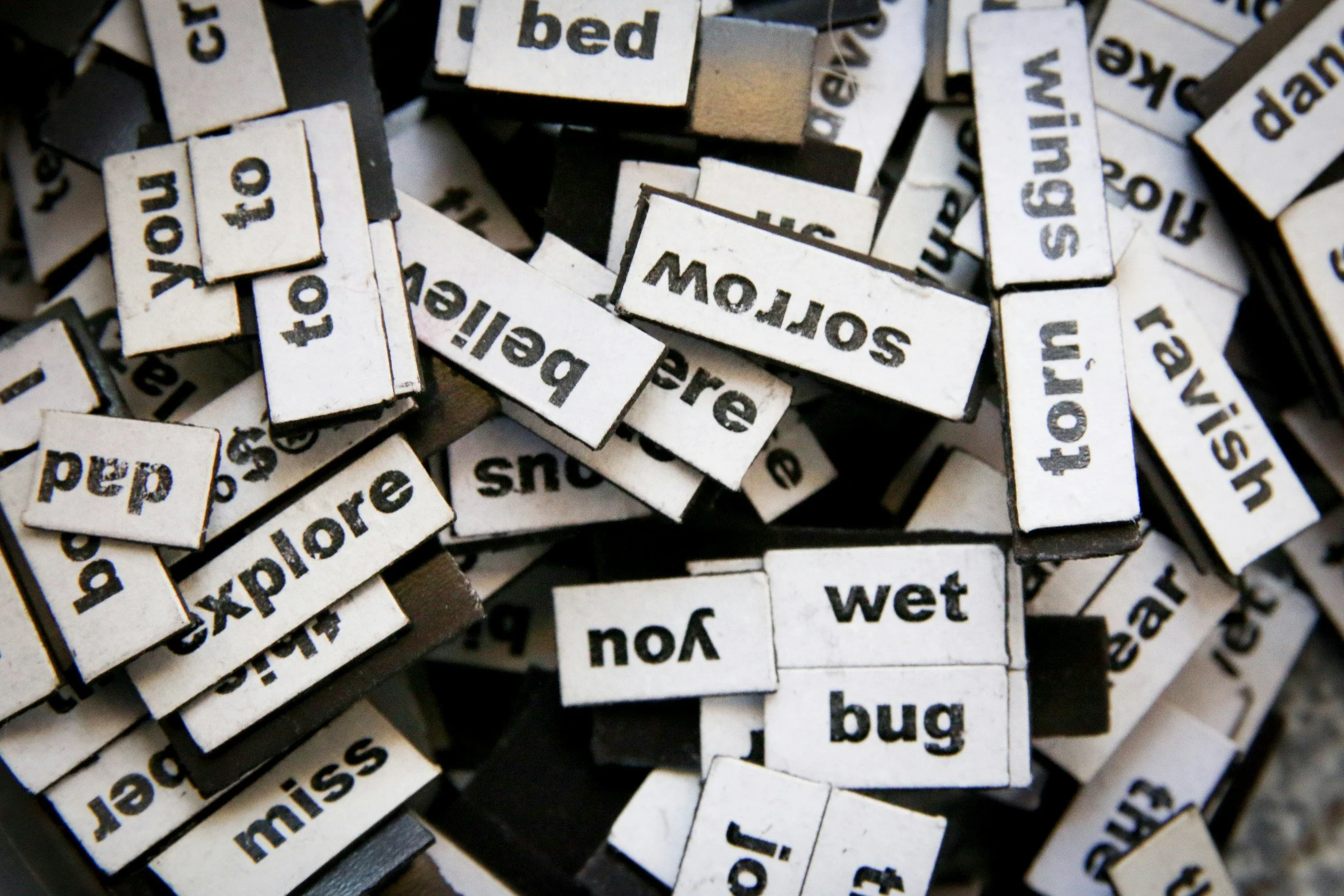
Disclaimer- I don’t curse—not because I’m trying to seem prim or proper—but because I genuinely believe profanity is what we reach for when our vocabulary packs up and walks off the job. When we can’t quite articulate what we mean, we grab the closest loud word and hope no one notices the message getting lost behind it.
I’ve loved words all my life. Reading, writing, and playing with language have always been my sweet spot. Every now and then, I even send my middle daughter a little “word of the week” just to see if she knows what it means. It’s our shared reminder that communication is rich, colorful, and worth using well.
But let me tell you how it goes sometimes with people I try to converse with: I can be knee-deep in a beautiful, exhilarating conversation—laughing, connecting, sharing thoughts—and the moment a curse word pops out, my brain flips straight into English-teacher mode. Instead of soaking in that moment, I start mentally editing their sentence, rewriting what they could’ve said instead.
By the time we part ways, I’m thinking, “Now isn’t that something? We had a whole meaningful exchange going, and it turned into a pop quiz I didn’t ask to take.”
And maybe I’m showing my age, but I remember a time when politicians were careful about every word spoken across their platforms, terrified of offending their constituents. Now profanity is so common that I see it slipping out everywhere—even across some pulpits—in an effort to keep congregants engaged. When did we decide clarity and reverence weren’t interesting enough?
And let me say this with love:
If you have to “excuse your language” every two seconds while talking to me, that is not a compliment.
You may think you’re showing respect, but all it really tells me is that you know better words exist… you just chose not to use them.
And truthfully—how many times a day do you hear the “F” expletive? It’s everywhere. But for the sake of blog cleanliness, let’s call it “Frankenstein!”
Because honestly… Frankenstein is one of the ugliest creations anyone ever dreamed up. So when someone uses profanity, that’s the image that pops into my mind—this clunky, stitched-together creature stomping all over a perfectly good sentence.
And tell me this—am I the only person on this planet who would love to enjoy a movie without hearing the “Frankenstein” word in every other scene? I’m sitting there trying to relax, eat my popcorn, mind my business… and instead I’m thinking, Wow, you managed to ruin an entire film simply because nobody in the writer’s room could find a meaningful word in the whole English language.
Some people speak as if Webster’s dictionary packed its bags and left them stranded with only three adjectives and one expletive to survive on.
And it makes me wonder:
Who are you wanting me to see when you speak to me?
Frankenstein… or an articulate, confident, beautiful (or handsome) person using words with intention?
If someone had to shout “Frankenstein!” every few seconds, your whole image would start shifting in my mind. I wouldn’t see you anymore—I’d see the monster you keep calling on.
Scripture gives us the blueprint:
“Let no corrupt communication proceed out of your mouth…” — Ephesians 4:29
In other words:
If it doesn’t build, bless, or bring something useful to the moment, leave it alone.
To me, that’s what profanity is—useless words that don’t promote anything, uplift anyone, or add any real flavor. It’s seasoning without substance. Loud, but not helpful.
I’m not judging anybody. We all have our habits, influences, and comfort zones. But for me? I want to choose words that actually do something. Words that carry meaning, intention, and grace. Words that strengthen connection instead of distracting from it.
Because I have to tell you,
If the word wouldn’t look good embroidered on a couch pillow, it probably doesn’t need to come out of your mouth.
Mama Wisdom Reflection:
You know, life has a funny way of reminding us that the smallest things—like the words we choose—can reveal the biggest pieces of who we are. An older lady in my youth told me, “Your tongue will tell on your heart before your face ever does.” And Lord knows she was right.
Because when someone starts peppering their sentences with words they already know they need to “excuse,” it’s not the vocabulary that concerns me—it’s the intention. Why reach for a dull, dusty word when you’ve got a whole shelf of shining ones ready to do the job right?
Clean speech isn’t about being fancy or perfect. It’s about being purposeful.
It’s choosing to speak like you know someone’s spirit might need those words.
It’s choosing clarity over noise, meaning over mess, and truth over temporary satisfaction.
And at the end of the day, if we want a more thoughtful, grace-filled world, it starts with the very thing sitting right behind our teeth.
Use it wisely.
Use it well.
And use it like someone’s listening—because they are.
